


Keeping your home warm does not always require turning up the thermostat. Reducing heat loss, maintaining proper airflow, controlling indoor humidity, and using your heating equipment correctly can make a noticeable difference.
These five home heating tips for winter can help homeowners improve comfort, avoid unnecessary energy consumption, and recognize when their furnace or heat pump needs professional attention.
How Can You Keep Your House Warmer?
Begin by sealing drafts, checking insulation, replacing a dirty HVAC filter, keeping vents open, and programming the thermostat around your schedule. Homes with very dry air may also benefit from a properly controlled whole-home humidifier.
If certain rooms remain cold or the heating system runs constantly, the problem may involve duct leakage, airflow restrictions, inadequate insulation, equipment performance, or improper system sizing.
1. Find and Seal Drafts Around the Home
A powerful heating system cannot fully compensate for a home that continuously loses warm air. Drafts around windows, doors, attic access points, and utility openings allow heated air to escape while cold outdoor air enters.
Check the following areas for air leakage:
- Exterior door frames
- Window trim
- Attic access doors
- Fireplace dampers
- Electrical outlets on exterior walls
- Openings around plumbing lines
- Cable and utility penetrations
- Recessed lighting below the attic
- Connections between additions and the original structure
Homeowners can often use weatherstripping around movable doors and windows. Caulk may help seal stationary gaps around trim and penetrations.
Some drafts require more than surface sealing. Missing attic insulation, damaged ductwork, or unsealed attic penetrations may require a professional assessment.
How Can You Find a Draft?
Move your hand slowly around closed windows and exterior doors on a cold or windy day. Noticeable cold air may indicate a failed seal or gap.
A professional home energy assessment can provide a more complete picture. Diagnostic equipment may be used to locate less obvious air leakage and areas with inadequate insulation.
Sealing these leaks is one of the most practical ways to keep your house warm without raising the thermostat.
2. Maintain Balanced Indoor Humidity
Winter air can feel dry once it enters the home and is heated. Low indoor humidity may contribute to dry skin, static electricity, irritated nasal passages, and shrinking wood materials.
Dry air may also make an otherwise comfortable room feel cooler, encouraging homeowners to increase the thermostat setting.
A whole-home humidifier for winter can add controlled moisture through the HVAC system. Unlike a small portable unit, a whole-home humidifier is designed to serve multiple rooms and operate with the central heating equipment.
Humidity must remain within an appropriate range. Excessive indoor moisture can cause:
- Condensation on windows
- Damp window frames
- Musty odors
- Peeling paint
- Moisture on exterior walls
- Unwanted microbial growth
The appropriate humidity setting depends on outdoor temperature, insulation, window performance, and the home’s construction. Reduce the setting if condensation begins appearing on windows or walls.
Should You Leave the Bathroom Fan Off to Increase Humidity?
Bathroom exhaust fans should still be used during and after showers. Allowing heavy steam to remain in the bathroom can contribute to condensation and moisture damage.
Cooking and showering naturally add limited moisture, but these activities do not provide the consistent control of a properly installed humidifier. Never use an oven or other fuel-burning appliance as a source of home heating.
3. Use the Right Winter Thermostat Strategy
The best thermostat setting for winter is one that balances household comfort with reasonable heating demand. There is no single temperature that works for every home, but many households use approximately 68°F as a starting point while people are awake and at home.
Lawrenceville Utilities also recommends 68°F as a winter setting for customers seeking to control utility costs. Individual needs may differ based on age, health, home construction, and heating equipment. Lawrenceville Utilities
Consider a modest temperature reduction:
- While household members are sleeping
- When the home will be empty for several hours
- During predictable work or school schedules
- In suitable unused areas with independent zoning
Avoid raising the thermostat far above the desired temperature to warm the house faster. A higher setting does not necessarily make the furnace or heat pump produce heat more quickly.
Furnace and Heat-Pump Settings Are Different
A gas furnace can often recover from a moderate temperature setback relatively quickly. A heat pump may require a different strategy.
When a large temperature increase is requested, some heat-pump systems activate supplemental electric resistance heat. This can increase electricity use.
Homeowners with heat pumps may benefit from smaller temperature changes and a more consistent schedule. A technician can explain how the thermostat, auxiliary heat, and equipment configuration work together.
4. Program the Thermostat Around Your Routine
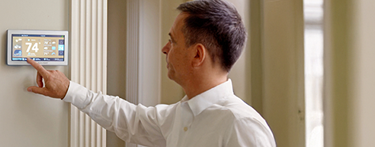
A programmable or smart thermostat can make temperature adjustments automatically. This avoids heating an empty home unnecessarily and removes the need to remember manual changes.
A basic winter schedule may include:
- A comfortable temperature before the household wakes
- A modest reduction after everyone leaves
- A return to the preferred setting before people arrive home
- A comfortable nighttime setting
Smart thermostats may also provide usage reports, filter reminders, remote controls, and alerts when indoor temperatures move outside a selected range.
Thermostat technology cannot correct every heating problem. If the home takes an unusually long time to warm up, the issue may involve restricted airflow, inadequate insulation, duct leakage, equipment deterioration, or a system that was improperly sized.
5. Protect Heating-System Airflow
Your furnace or heat pump must move enough air through the system to heat the home properly. Restricted airflow may cause long operating cycles, uneven temperatures, excessive noise, or additional strain on components.
Check the HVAC Filter
Inspect the air filter monthly during periods of frequent heating use. Replace or clean it according to the filter manufacturer’s directions.
A filter may need more frequent attention when the home has:
- Multiple occupants
- Pets
- Recent renovation work
- Indoor smoking
- High dust levels
- Frequent system operation
- Indoor air quality concerns
Avoid installing a highly restrictive filter without confirming that the system can handle it. A filter with a higher rating is not automatically the best choice for every HVAC system.
Keep Vents and Return Grilles Open
Move furniture, curtains, rugs, and stored items away from supply vents and return-air grilles. Blocked returns can limit how much air reaches the heating equipment, while blocked supply vents prevent warm air from entering the room.
Closing multiple vents in unused rooms may increase pressure inside the duct system. Homeowners who want individual room control should ask about professional system balancing or zoning.
Additional Ways to Reduce Heating Bills in Winter
The five main tips provide a strong starting point, but several other improvements may help your home retain and distribute heat.
Open Curtains During Sunny Periods
Open curtains or blinds on sun-facing windows during the day to take advantage of natural warmth. Close them after sunset to reduce heat loss through the glass.
Avoid placing thick curtains over active heating vents.
Use Ceiling Fans at a Low Speed
Warm air naturally collects near the ceiling. Some ceiling fans have a winter setting that changes the blade direction and circulates this air more gently.
Check the fan manufacturer’s instructions for the correct direction. The fan should operate slowly enough to avoid creating an uncomfortable draft.
Inspect Attic Insulation
An inadequately insulated or poorly sealed attic can allow a considerable amount of heated air to escape. Look for obvious gaps, compressed insulation, exposed ceiling areas, or displaced material.
Avoid disturbing insulation if you suspect mold, pest contamination, asbestos-containing material, damaged wiring, or a roof leak.
Check Accessible Ductwork
Visible duct sections should not appear crushed, disconnected, torn, or poorly supported. Conditioned air escaping into an attic or crawlspace will not reach the rooms that need it.
Duct sealing involves more than applying ordinary household tape. A professional can test the duct system and use materials intended for HVAC applications.
Why Is One Room Colder Than the Rest of the House?
A cold room does not automatically mean the furnace is failing. The location and pattern of the problem can help narrow down potential causes.
One room may remain cold because of:
- A closed or obstructed supply vent
- A disconnected duct branch
- Inadequate return airflow
- Air leakage around a window
- Missing wall or attic insulation
- Substantial sun or wind exposure
- An addition that was not included in the original HVAC design
- An incorrectly balanced duct system
If several rooms are cold, the problem may involve the filter, blower, main duct system, thermostat location, or overall heating capacity.
Record which rooms are affected and when the problem occurs. This information can help a technician investigate the issue more efficiently.
Why Does the Heating System Run Constantly?
A heating system may operate for extended periods during unusually cold weather. Constant operation in moderate conditions, however, may indicate a performance problem.
Possible reasons why your furnace runs constantly include:
- A dirty filter
- Incorrect thermostat settings
- Air leaks
- Poor insulation
- Leaking ductwork
- A dirty blower assembly
- Heating equipment that is too small
- Declining system performance
Heat pumps frequently operate for longer cycles than gas furnaces. Longer operation is not necessarily a malfunction if the heat pump maintains the thermostat setting and the home remains comfortable.
Professional service is appropriate when the system cannot reach the selected temperature, airflow is weak, or energy consumption increases unexpectedly.
What Does HVAC Mean?
HVAC stands for heating, ventilation, and air conditioning. These functions work together to manage temperature, airflow, moisture, and indoor comfort.
- Heating supplies warmth during cold weather.
- Ventilation introduces or distributes air and helps remove stale indoor air.
- Air conditioning removes heat and some humidity during warmer weather.
Ventilation deserves particular attention during winter because homes are usually closed more tightly. Inadequate ventilation may allow odors, excess moisture, and airborne pollutants to accumulate.
Opening windows may provide temporary fresh air, but it also allows heated air to escape. Homes with recurring stale-air or moisture problems may require a controlled ventilation assessment.
What Happens When Heating Maintenance Is Skipped?
Delaying heating maintenance can allow minor problems to develop without being noticed. It does not guarantee a breakdown, but it may reduce the opportunity to address wear before the system is needed most.
Restricted Airflow
Dirty filters, blower buildup, blocked vents, and duct restrictions can reduce heat delivery. The system may operate longer while some rooms remain uncomfortable.
Unreliable Operation
Electrical connections, ignition components, motors, controls, and safety devices can deteriorate over time. An inspection may reveal abnormal operation before it causes a loss of heat.
Increased Energy Consumption
Mechanical problems, restricted airflow, and control issues may make the system run longer than necessary. Compare energy use with similar billing periods because weather and utility rates can also affect the total bill.
Combustion Safety Concerns
Gas furnaces require proper ignition, combustion, and venting. Soot, persistent burning odors, repeated ignition failures, or unusual flame behavior require professional evaluation.
Leave the home and contact emergency services if a carbon monoxide alarm activates. Never attempt to inspect or repair burners, gas valves, venting, or heat exchangers yourself.
HVAC Maintenance vs. Heating Repair
Heating maintenance is preventive. It is scheduled while the system is operating and may include inspection, cleaning, performance testing, and safety checks.
Heating repair is corrective. It addresses an existing problem such as:
- No heat
- Frequent cycling
- Weak airflow
- Unusual noises
- Electrical failure
- Ignition trouble
- Inconsistent temperatures
- Thermostat malfunction
Maintenance may identify that a repair is required, but a tune-up cannot restore every failed component. Similarly, completing a repair does not replace the value of future preventive maintenance.
When Are Home Heating Tips No Longer Enough?
Home heating tips can address basic comfort and energy concerns, but they cannot correct failed components or significant installation problems.
Schedule professional service when you notice:
- No heat or insufficient heat
- A persistent burning or gas odor
- Loud grinding, banging, or squealing
- Repeated breaker trips
- Weak airflow throughout the home
- Rapid on-and-off cycling
- A furnace that frequently fails to ignite
- A heat pump covered in heavy ice
- Unexpected increases in energy consumption
- A carbon monoxide alarm
Turn the system off if there are signs of overheating or electrical damage. Leave the home immediately if you smell gas or a carbon monoxide alarm sounds.
When Should You Consider a New Heating System?
Many heating problems can be repaired. Replacement becomes more reasonable when the equipment is aging, unreliable, expensive to repair, or unable to maintain consistent comfort.
Consider discussing replacement when:
- Repairs are becoming frequent
- A major component has failed
- Parts are difficult to obtain
- The system was improperly sized
- Some rooms have never heated correctly
- Energy consumption continues to rise
- Safety-related damage is extensive
- Repairs provide only temporary improvement
A professional heating installation company should evaluate more than the existing equipment. The assessment should consider the home’s size, insulation, windows, ductwork, airflow, electrical or gas requirements, and heating load.
Installing a larger system without evaluating these factors can lead to short cycling, uneven temperatures, unnecessary energy consumption, and premature wear.
Professional Heating in Lawrenceville, GA
Homes in Gwinnett County may use gas furnaces, electric heat pumps, dual-fuel systems, or other heating configurations. Each type of equipment has different maintenance, thermostat, airflow, and installation requirements.
Homeowners seeking professional service for heating in Lawrenceville, GA can contact Holtkamp HVAC & Plumbing for system maintenance, diagnostic service, repair, or replacement evaluation.
A professional inspection can determine whether the problem comes from the equipment, thermostat, ductwork, airflow, or the home itself. This helps homeowners avoid paying for a repair or replacement that does not address the actual comfort problem.
Keep Your Heating System Ready for Winter
A comfortable winter home begins with controlling drafts, protecting airflow, managing humidity, and using the thermostat appropriately. These steps can support performance, but electrical, combustion, mechanical, and installation problems require professional attention.
If your furnace or heat pump is not operating reliably, schedule heating service with Holtkamp HVAC & Plumbing. The team can evaluate your system and explain whether maintenance, repair, airflow correction, or heating replacement is the appropriate next step.
Frequently Asked Questions
How Can I Make My Heating System More Efficient?
Replace a dirty filter, keep vents and returns open, seal drafts, use a suitable thermostat schedule, and arrange heating maintenance before winter. If energy use remains unusually high, have the equipment, ductwork, insulation, and airflow evaluated.
What Is the Best Thermostat Setting for Winter?
Many households use approximately 68°F as a starting point while awake and at home, but the appropriate setting depends on personal comfort and health requirements. Modest adjustments while sleeping or away may reduce heating demand.
Can a Whole-Home Humidifier Improve Winter Comfort?
A whole-home humidifier can add controlled moisture when heated indoor air becomes excessively dry. Proper setup is important because too much humidity may cause condensation, damp surfaces, and moisture problems.
Should I Lower the Thermostat When I Leave Home?
A moderate setback may reduce heating demand while the house is unoccupied. Heat-pump owners should avoid drastic changes that may activate supplemental electric heat. A programmable thermostat can automate suitable adjustments.
How Often Should I Replace My Furnace Filter in Winter?
Inspect the filter monthly and replace or clean it according to the manufacturer’s directions. Homes with pets, renovation dust, or frequent system operation may require more frequent attention.
Why Is My Heat Pump Running for Long Periods?
Heat pumps commonly operate for longer cycles than gas furnaces. Service may be necessary if the system cannot maintain the thermostat setting, airflow is weak, supplemental heat runs excessively, or the outdoor unit remains heavily iced.
When Should I Contact a Heating Installation Company?
Contact a heating installation company when your system requires frequent repairs, cannot heat the home consistently, or needs a major component replaced. A professional can evaluate the equipment, ductwork, insulation, airflow, and heating load before recommending a properly sized replacement.
Who Provides Professional Heating Services in Lawrenceville, GA?
Holtkamp HVAC & Plumbing provides professional services for heating in Lawrenceville, GA, including maintenance, repair, and system installation. A technician can inspect your furnace or heat pump, identify the cause of the problem, and explain the appropriate service options.