


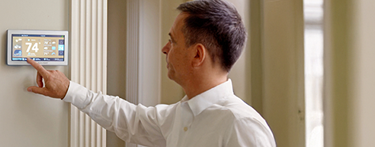
Winter puts real demand on your heating system, and keeping your home warm is only half the job. The other half is making sure that heat is being produced safely, since a poorly maintained furnace is one of the more common sources of carbon monoxide (CO) exposure in homes.
Here’s how to do both well: keep your home warm and keep it safe while you’re at it.
Where Homes Lose the Most Heat
Before looking at fixes, it helps to know where warm air actually escapes:
-
Windows and doors
- worn weatherstripping, old frames, or single-pane glass let warm air out and cold air in
-
Attics
- Heat rises, so a poorly insulated attic is one of the biggest sources of heat loss
-
Ductwork
- Leaks or gaps, especially in ducts running through an attic or crawlspace, waste conditioned air before it reaches your rooms
-
Air leaks
- Gaps around outlets, plumbing penetrations, and foundation areas add up to more heat loss than most homeowners expect
How to Heat Your Home Safely This Winter
Keeping your home warm is important, but it’s just as important to make sure your heating system is operating safely. Before winter arrives, have your furnace or heat pump professionally inspected to identify potential issues and make sure the system is operating as it should.
Install carbon monoxide detectors near sleeping areas and on each level of your home, and test them regularly according to the manufacturer’s instructions. Carbon monoxide is colorless and odorless, so a working detector is an important part of keeping your household safe.
If you use a portable space heater, place it on a stable, level surface away from curtains, furniture, bedding, and other flammable materials. Follow the manufacturer’s safety instructions, and avoid using extension cords or power strips unless specifically approved by the manufacturer.
It’s also important to keep supply vents and return air registers clear of furniture, rugs, curtains, and other obstructions. Good airflow helps your heating system operate properly and distribute warm air more evenly throughout your home.
Signs Your Heating System Needs Attention
Your heating system may show signs that it needs maintenance or professional attention before it stops working completely. Recognizing these warning signs early can help you address smaller problems before they turn into costly repairs or an unexpected breakdown.
Uneven temperatures throughout your home, weak airflow, unusual noises, or frequent cycling can all indicate that your heating system isn’t operating properly. You may also notice that your home takes longer to reach the desired temperature or that your energy bills are increasing without a clear change in usage.
Frequent repairs are another sign that it may be time to have your system evaluated. If your furnace or heat pump is older and requires repeated repairs, it may be worth comparing the cost of continued repairs with the potential benefits of replacing the system.
If you notice any of these warning signs, schedule an inspection with a qualified HVAC professional. Addressing the problem before winter is in full swing can help you stay comfortable and give you more time to decide whether a repair or replacement is the better option.
Is Your Heating System Ready for the Cold Weather?
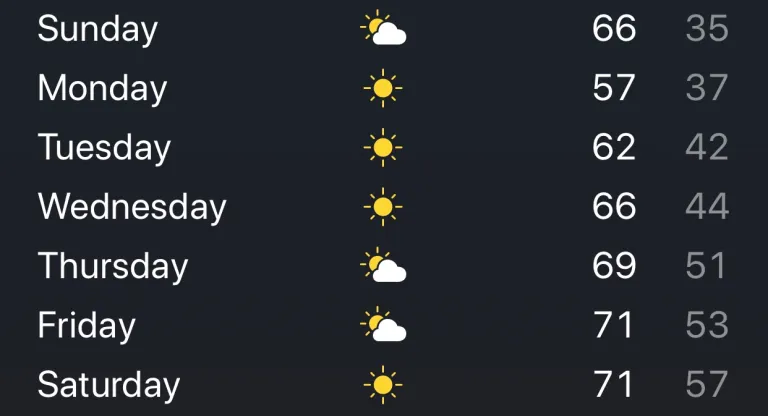
Have you seen the chilly forecast for next week? The lows are dipping into the mid 30’s, and your heating system needs to be ready for the season!
Just like changing the oil in your car, your HVAC system needs maintenance twice per year.
Our 21-point heating tune-up is one of the few in the area that includes a combustion analysis, which inspects for microscopic cracks in your furnace that could emit harmful carbon monoxide into your home.
Invisible to the naked eye, these cracks can only be detected by our combustion analyzer tool.
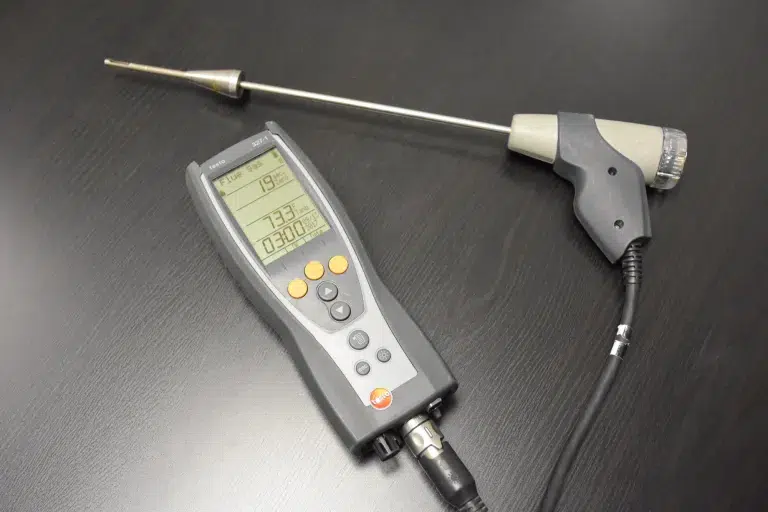
Schedule a Heating Tune-up and enjoy the peace of mind that comes from making sure your furnace or heat pump is in top shape and peak efficiency.
You’ll sleep better at night and love seeing lower energy bills this winter!
How Suwanee’s Winter Weather Can Affect Your Heating System
Suwanee winters may not be as severe as those in colder parts of the country, but temperatures can still drop enough to put added demand on your heating system.
Older equipment, poor insulation, leaky ductwork, and neglected maintenance can become especially noticeable during colder periods.
Scheduling a professional heating inspection before the coldest part of the season can help identify potential problems early.
It also gives you an opportunity to address repairs or maintenance needs before an unexpected breakdown leaves your home without heat.
Should I Repair or Replace My Heating System Before Winter?
Deciding whether to repair or replace your heating system before winter depends on several factors, including the system’s age, condition, efficiency, repair history, and overall performance.
If your furnace or heat pump is relatively new and the problem is minor, repairing the system may be the more practical option. However, frequent breakdowns, rising energy bills, uneven heating, or expensive repairs may indicate that replacement is worth considering.
The age of your heating system is another important factor. Older equipment may become less efficient over time and may require more frequent repairs. If your system is nearing the end of its expected service life and needs a major repair, investing in a newer, more efficient system could provide better long-term value.
Consider replacing your heating system if it struggles to keep your home comfortable, requires repeated repairs, or your energy costs continue to increase without a clear explanation. A newer system may also offer improved efficiency, better temperature control, and updated features.
Is Your Heating System Ready for Winter?
A professional heating tune-up can help ensure your system is prepared for the colder months. Our 21-point heating tune-up includes a comprehensive inspection of your heating system, along with safety and performance checks designed to identify potential issues and help keep your equipment operating reliably.
Ready to prepare your heating system for winter? Schedule a heating tune-up or call us at (770) 271-7511 to discuss your HVAC needs.
Frequently Asked Questions
What is the best way to heat your house in the winter?
The most effective approach combines a well-maintained heating system with a well-sealed, properly insulated home. Sealing drafts, keeping your system tuned, and using your thermostat efficiently all work together to keep your home warm without driving up your bill.
How do I keep my house warm this winter without overspending?
Focus on sealing air leaks, maintaining consistent (not constantly changing) thermostat settings, and scheduling a professional tune-up before the coldest months. These steps typically save more than any single quick fix.
What is the healthiest way to heat your home?
The healthiest approach is one that’s regularly inspected for safety, not just efficiency. A properly maintained furnace or heat pump, checked annually for issues like heat exchanger cracks that can release carbon monoxide, is safer than relying on unmaintained equipment or unattended space heaters, regardless of how efficient it seems on your energy bill.
What is the “30 minute heating rule,” and does it work?
The 30 minute heating rule suggests turning your heating system on about 30 minutes before you need warmth, and off about 30 minutes before you leave or go to bed, relying on your home’s residual heat retention in between. This can work reasonably well with some traditional furnace systems, but it’s generally not recommended for heat pumps, which tend to run more efficiently at a steady setpoint rather than being cycled on and off. If you’re not sure which approach fits your system, that’s exactly the kind of question a tune-up visit can answer.
How do I know if my furnace is emitting carbon monoxide?
You generally can’t tell without testing. Carbon monoxide is colorless and odorless, and a furnace can appear to run normally while still leaking CO through a cracked heat exchanger. A working CO detector and an annual combustion analysis are the only reliable ways to catch this.
Why is my electric or gas bill so much higher in winter?
Many of the same factors that drive up summer cooling bills, home orientation, insulation, ductwork condition, and system age, also affect winter heating costs. See our guide on common electric bill myths for a deeper look at what actually drives your energy use.