



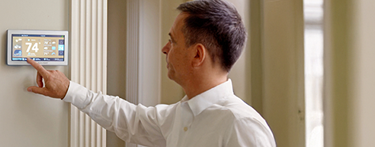
For a commercial property, an HVAC breakdown is rarely just a repair expense. It can interrupt tenants, disrupt business hours and force a rushed decision about equipment that may have needed attention for months. At Holtkamp HVAC & Plumbing, we help owners and property managers in Gwinnett County take a more deliberate approach to commercial HVAC maintenance: understand the installed systems, service them appropriately and keep track of issues before they become repeated surprises.
Whether you manage a single storefront or a building with several HVAC units, contact our team about commercial maintenance to discuss the equipment, property access and the support you need.
What a Commercial HVAC Maintenance Plan Should Accomplish
Maintenance is not simply a seasonal tune-up with the same checklist applied to every business. A useful approach accounts for each unit’s operating conditions, the spaces it serves, manufacturer guidance, access requirements and the effect of an outage. The aim is to preserve dependable operation, identify developing problems and give the building owner a more informed basis for maintenance and replacement decisions.
For a multi-unit building, that may begin with labeling the equipment and identifying which tenant or zone each unit serves. For a smaller property, the first priority may be addressing deferred service and recurring airflow complaints. In either case, clear records and follow-up responsibilities matter as much as the visit itself.
Commercial HVAC Maintenance Tasks We May Recommend
The appropriate scope depends on the system and condition. Examples of maintenance and inspection activities that may be considered include:
- Air filters and airflow: Assess filter condition, replacement requirements, air movement and obvious restrictions.
- Coils and heat-transfer surfaces: Inspect conditions that can affect performance and determine whether cleaning is needed.
- Drainage and moisture: Check condensate handling, accessible drain components and signs of leaks or overflow.
- Fans, motors and moving components: Look for abnormal wear, noise or operational concerns.
- Controls and system response: Review thermostats, operating schedules, relevant safety controls and basic equipment response.
- Heating and cooling operation: Perform equipment-appropriate functional checks and identify conditions needing additional diagnosis.
- Connections, service history and documentation: Record findings, unresolved items and recommended follow-up.
A maintenance visit is not automatically a comprehensive repair, code inspection, energy audit or full air-quality investigation. If a more involved issue is found, the next step should be separately explained and authorized.
Maintenance for Rooftop Units and Other Commercial Systems
Commercial equipment can be located on rooftops, in mechanical spaces or in hard-to-access areas. Exposure to weather and debris, service access and operating hours affect how a unit is maintained. Rooftop equipment may require attention to coils, fans, drainage and other components; indoor or split equipment may present different considerations. We assess the specific configuration rather than assuming one procedure is appropriate for every building.
If a system has repeated faults or is no longer able to serve the space, ongoing maintenance may not be the full answer. We can identify when commercial HVAC repair or a separate replacement assessment is more appropriate.
How Often Should Commercial HVAC Be Serviced?
There is no responsible single interval for every property. System type, duty cycle, manufacturer requirements, site conditions, occupant needs and the consequences of failure all matter. Seasonal cooling and heating preparation is often a useful organizing principle, but high-use or critical areas may need a different level of attention.
A maintenance conversation should clarify which equipment is covered, what work is expected, how visits are scheduled, who handles approvals and how findings will be communicated. Our commercial HVAC maintenance planning guide offers practical advice for organizing equipment and responsibilities.
A Practical Maintenance Workflow for Property Managers
Inventory the equipment
Identify each unit, location and the space it serves. Add model information and service history if available. Missing information should be recorded as unknown—not assumed.
Establish priority by business impact
A system serving a frequently occupied customer space may deserve different planning from one serving an intermittently used room. Decide which outages would cause the greatest disruption and who must be notified.
Complete service and record findings
Document equipment condition, work performed, items needing attention and the next recommended step. A useful report should make it clear which unit is being discussed and what action is needed.
Track corrective work and upcoming decisions
Assign an owner to follow up on recommendations. Some findings will lead to a repair; others should inform capital planning for eventual equipment replacement. Leaving them in an unread report does not reduce risk.
Commercial Maintenance and Operating Costs
Well-maintained HVAC equipment may operate more reliably and efficiently than neglected equipment, but savings cannot be promised without understanding the property. Maintenance also cannot reverse every age-related or design limitation. The value is in disciplined care, earlier visibility into problems and fewer uninformed decisions—not a claim that breakdowns can be eliminated.
For planning new commercial spaces, review commercial HVAC installation. For work on older systems with repeated failures, explore commercial HVAC replacement.
Commercial HVAC Maintenance FAQs
Do you offer commercial maintenance agreements?
We provide preventive commercial maintenance. Contact us to discuss whether a maintenance agreement is available for your systems and what the service scope and terms would include.
What does a commercial maintenance visit include?
Tasks depend on the installed equipment and agreed scope. The visit may involve inspection, routine servicing, operational checks and documentation of problems that require additional attention.
Is maintenance different from commercial HVAC repair?
Yes. Maintenance focuses on planned inspection and upkeep. Repair addresses a reported fault or failure. A maintenance visit may reveal an issue that needs a separately authorized commercial HVAC repair.
Can a maintenance plan cover several units at one property?
It may. The first step is an accurate inventory of the systems and the spaces they serve, followed by confirmation of coverage, access and scheduling needs.
Will scheduled maintenance eliminate emergency breakdowns?
No. Maintenance can help identify some developing problems and support better upkeep, but components can still fail unexpectedly.
Discuss Commercial HVAC Maintenance for Your Property
Tell us how many systems you manage, what they serve and whether you have maintenance records or recurring concerns. We’ll help you evaluate an appropriate service conversation. Contact Holtkamp about commercial HVAC maintenance or return to commercial HVAC services.


