


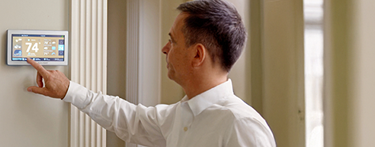
A heater that produces cold air, cycles repeatedly, makes new noises, creates unusual odors, or cannot reach the thermostat setting may need professional repair. Suwanee homeowners can check the thermostat, filter, vents, and electrical panel, but gas odors, smoke, sparks, carbon monoxide alarms, and repeated breaker trips require immediate action.
- ENERGY STAR recommends an annual pre-season heating checkup.
- ENERGY STAR advises inspecting, cleaning, or replacing HVAC filters monthly.
- Airflow problems can reduce HVAC efficiency by as much as 15%.
- CPSC recommends carbon monoxide alarms on every home level and outside sleeping areas.
- A furnace inspection commonly requires approximately 1 to 2 hours, depending on the problem and testing needed.
-
Table of Contents
- What Signs Indicate That Your Heater Needs Repair?
- Why Is Your Heater Running Without Warming the House?
- What Can You Safely Check Before Calling a Technician?
- Which Heater Problems Require Immediate Attention?
- What Happens During a Professional Heating-Repair Visit?
- How Do Furnace and Heat-Pump Problems Differ?
- How Much Will Heating Repair Cost?
- Should You Repair or Replace Your Heating System?
- Can Maintenance Prevent Future Heater Problems?
- Which Heating-Repair Myths Should Homeowners Avoid?
- What Should You Do When Your Heater Acts Up in Suwanee?
- Frequently Asked Questions
What signs indicate that your heater needs repair?
Your heater may need repair if it cannot maintain the selected temperature, produces weak airflow, cycles repeatedly, makes unfamiliar noises, or causes an unexplained increase in energy use. A sudden change from the system’s normal performance is more useful than one isolated symptom.
Watch for these common warning signs:
- Some rooms remain colder than others.
- Airflow feels weaker than usual.
- The system turns on and off every few minutes.
- A furnace starts but the burners shut down quickly.
- A heat pump runs continuously without reaching the thermostat setting.
- You hear grinding, scraping, banging, buzzing, or persistent clicking.
- The thermostat reading does not match the room temperature.
- The system trips a breaker more than once.
- New burning, electrical, gas, or musty odors appear.
- Water or excessive condensation develops near the indoor equipment.
One cold room does not automatically prove that the heater has failed. Closed registers, a disconnected duct, inadequate insulation, or air leakage around a window may affect an individual room. Weak heating throughout the house more strongly suggests a system-wide airflow, control, or equipment problem.
Holtkamp’s heating services in Suwanee and Gwinnett County cover furnaces, heat pumps, boilers, radiant systems, repair, maintenance, and replacement.
Why is your heater running without warming the house?
A heater may run without warming the house because the thermostat is incorrectly configured, airflow is restricted, the burners are not staying lit, or a heat-pump component has failed. The correct diagnosis depends on whether the home uses a furnace, heat pump, boiler, or another heating system.
A furnace may produce inadequate heat because of:
- A clogged filter
- A failing igniter or flame sensor
- Burner or gas-pressure problems
- A weak blower motor
- An open or damaged duct
- An overheating condition that activates the limit switch
- A thermostat or control-board fault
A heat pump may produce cool or lukewarm air because of:
- Normal defrost operation
- Heavy ice on the outdoor coil
- A failed outdoor fan
- Low refrigerant caused by a leak or incorrect charge
- A reversing-valve problem
- Failed auxiliary heat
- A thermostat configuration problem
- An electrical or defrost-control failure
Heat-pump air normally feels less intense than furnace air. If the indoor temperature is rising steadily and eventually reaches the thermostat setting, the equipment may be operating normally. If the temperature continues falling, review Holtkamp’s guide to the six likely reasons a heat pump is not heating.
Need heater repair in Suwanee? Call Holtkamp HVAC & Plumbing at (770) 271-7511 to schedule a professional heating-system diagnosis.
What can you safely check before calling a technician?
You can safely check the thermostat, air filter, supply vents, return grilles, equipment switch, and circuit breaker before requesting service. Stop troubleshooting if you notice gas, smoke, sparks, melted wiring, or another possible safety hazard.
Use this homeowner checklist:
- Confirm that the thermostat is set to Heat.
- Set the target temperature several degrees above the room temperature.
- Replace weak thermostat batteries if applicable.
- Review programmed schedules or setback periods.
- Check whether the air filter is dirty or installed backward.
- Make sure supply vents and return grilles are open and unobstructed.
- Confirm that the furnace or air-handler switch is on.
- Inspect the electrical panel for a tripped breaker.
- Check the outdoor heat-pump unit for leaves, debris, or severe ice.
- Note any error code displayed by the thermostat or equipment.
A breaker may be reset once when there is no visible or suspected damage. If it trips again, leave the system off and arrange professional heating system repair. Repeated resetting can allow an electrical problem to worsen.
Do not remove burner assemblies, open high-voltage compartments, add refrigerant, adjust gas pressure, or bypass a safety switch. Those tasks require appropriate instruments and technical training.
Which heater problems require immediate attention?
Gas odors, a carbon monoxide alarm, smoke, sparks, repeated breaker trips, soot, or strong electrical-burning odors require immediate attention. Depending on the symptom, you may need to shut the system down, leave the home, and contact emergency services or the gas provider from a safe location.
Symptom Recommended Response Carbon monoxide alarm activates Move everyone outside and call 911 Strong gas or sulfur-like odor Leave without operating switches and contact the gas provider or 911 Smoke, sparks, or melted wiring Turn the system off only if it is safe and call for emergency service Breaker trips repeatedly Leave the breaker and heater off Loud grinding or metal-on-metal sound Shut the system down to limit further damage Minor dust odor during the first heating cycle Monitor briefly, but call if the odor persists or intensifies Heat pump develops light frost Monitor because temporary frost can be normal Heat pump remains heavily iced Arrange professional inspection Carbon monoxide is colorless and practically odorless, so smell alone cannot identify it. CPSC recommends installing carbon monoxide alarms on every level of the home and outside sleeping areas. It also advises testing alarms monthly and following the manufacturer’s replacement guidance.
Never use a gas oven, outdoor grill, charcoal appliance, or unvented outdoor heater to warm the house while waiting for service.
What happens during a professional heating-repair visit?
A professional visit begins by confirming the symptoms and observing how the system starts, heats, distributes air, and shuts down. The technician then tests the components most likely to produce the reported problem and verifies operation after completing an approved repair.
A typical diagnostic process includes:
- Documenting the symptoms: The technician asks when the problem started, whether it occurs consistently, and whether noises, odors, leaks, or error codes are present.
- Checking the thermostat: Its settings, temperature reading, wiring, batteries, and control signals are evaluated.
- Reviewing airflow: The filter, return pathway, supply vents, blower, and accessible duct connections are inspected.
- Testing electrical components: The technician may check voltage, current, capacitors, motors, relays, contactors, wiring, and control boards.
- Evaluating the heating process: A furnace requires ignition, burner, flame-sensing, combustion, and venting checks. A heat pump requires refrigerant-cycle, defrost, outdoor-fan, reversing-valve, and auxiliary-heat checks.
- Inspecting safety controls: Limit switches, pressure switches, flame safeguards, venting, and shutdown responses are tested when applicable.
- Explaining the findings: The technician identifies the failed component and explains whether another condition caused it to fail.
- Providing repair options: Parts, labor, warranty coverage, and alternatives should be explained before work begins.
- Testing the completed repair: The system should complete a normal heating cycle and demonstrate appropriate airflow and temperature response.
For a more detailed explanation, see what a furnace repair technician checks during a home visit.
How do furnace and heat-pump problems differ?
Furnace problems commonly involve ignition, combustion, airflow, gas delivery, venting, or a dedicated heating component. Heat-pump problems may involve airflow and electrical components as well as refrigeration, defrost operation, the outdoor unit, or auxiliary heat.
System How It Heats Common Repair Areas Important Safety Concern Gas furnace Burns fuel and transfers heat through a heat exchanger Igniter, flame sensor, burners, blower, limit switch, gas valve, venting Gas leakage, combustion, or carbon monoxide Electric furnace Uses electric resistance elements Sequencer, heating elements, relays, blower, wiring High voltage and overheating Heat pump Transfers outdoor heat indoors Refrigerant circuit, reversing valve, defrost control, fans, compressor, auxiliary heat High voltage, refrigerant, or mechanical failure Boiler Heats and circulates water or steam Pump, pressure controls, valves, burner, expansion components Pressure, fuel, venting, or leakage A heat pump can briefly enter defrost mode to remove frost from the outdoor coil. Temporary changes in sound or supply-air temperature may be normal during this cycle. Heavy ice that remains on the unit or prevents the fan from operating is not normal.
Heating repair in Lawrenceville and Suwanee may involve the same equipment types, but the technician should diagnose the actual system rather than applying one standard repair to every home.
How much will heating repair cost?
Heating-repair cost depends on the diagnosis, required part, labor, system type, accessibility, warranty status, and whether additional damage is present. An accurate price should follow system testing because similar symptoms can have different causes.
A thermostat problem, dirty flame sensor, failed capacitor, damaged blower motor, refrigerant leak, and compromised heat exchanger require very different parts, labor, and safety procedures. A quote provided without inspecting the equipment may not reflect the complete problem.
When comparing estimates, ask:
- What test results support the diagnosis?
- Is the failed part the cause of the problem or the result of another condition?
- Are labor and diagnostic charges included?
- Is the replacement part new and appropriate for the equipment?
- What parts and labor warranties apply?
- Will the technician test a complete heating cycle afterward?
- Are any safety issues present?
- Is the repair expected to restore dependable operation?
Price should be considered together with diagnostic quality, workmanship, warranty coverage, and the equipment’s remaining condition. Holtkamp’s guide explains why an inexpensive heating repair can cost more over time.
-
For a dignosis and Clear repair Recommendation, Call Holtkamp HVAC & Plumbing at (770) 271-7511.
Request Heating Repair Service in Suwanee For a diagnosis and clear repair recommendation, call Holtkamp HVAC & Plumbing at (770) 271-7511 and request heating repair service in Suwanee.
Should you repair or replace your heating system?
Repair is generally reasonable when the equipment remains in sound condition, the failure is isolated, and the expected repair restores reliable operation. Replacement deserves consideration when the system has major safety concerns, repeated failures, unavailable parts, poor comfort, or mounting repair costs.
Consider these decision factors:
Factor Repair May Make Sense When Replacement May Deserve Consideration When Equipment age The system is relatively young The equipment is approaching or beyond its expected service life Repair history This is an isolated problem Breakdowns have become frequent Repair scope A replaceable part has failed A major component or multiple components have failed Safety The system can be restored and tested safely A serious combustion, electrical, or heat-exchanger concern exists Comfort Heating was consistent before the failure Uneven temperatures and long runtimes are persistent Efficiency Energy use remains predictable Energy use has risen despite maintenance and repairs Parts Correct parts are readily available Parts are obsolete, delayed, or disproportionately expensive Future plans The home and system still meet current needs Renovations or comfort goals require a different system Do not use a single age cutoff as an automatic replacement rule. Installation quality, maintenance history, operating hours, climate exposure, and component condition all influence useful life.
A qualified contractor should explain the immediate repair and the condition of the remaining system. The final decision should compare short-term cost with safety, comfort, efficiency, warranty coverage, and expected reliability.
Can maintenance prevent future heater problems?
Maintenance cannot prevent every failure, but it can uncover dirty components, loose connections, airflow restrictions, weak electrical parts, and unsafe operating conditions before they cause a breakdown. Annual pre-season service also creates an opportunity to test the heater before sustained cold-weather demand begins.
ENERGY STAR recommends professional pre-season heating checkups and monthly filter inspection, cleaning, or replacement as appropriate. Its checklist also includes checking thermostat settings, electrical connections, controls, gas or oil connections, burner combustion, and the heat exchanger.
Professional heating maintenance in Suwanee may include:
- Thermostat evaluation
- Filter and airflow inspection
- Electrical testing
- Burner and ignition checks
- Heat-exchanger inspection
- Blower assessment
- Safety-control testing
- Venting inspection
- Heat-pump defrost checks
- Condensate-drain inspection
- Full-cycle performance testing
Homeowners can support the system by keeping vents open, checking the filter, keeping the outdoor unit clear, and reporting performance changes promptly. Maintenance should occur before the heating season when possible, but a system showing an active fault needs repair rather than a routine tune-up.
Which heating-repair myths should homeowners avoid?
Common heating-repair myths can cause homeowners to overlook developing problems, replace the wrong component, or choose an incomplete repair. Diagnosis should be based on measurements and system behavior, not assumptions.
Myth: A heater that still runs does not need repair
Fact: A heater can operate while short cycling, overheating, using excessive auxiliary heat, moving too little air, or failing to burn fuel correctly. Operation alone does not confirm safe or efficient performance.
Myth: Replacing the thermostat fixes every heating problem
Fact: Thermostat faults can prevent heating, but similar symptoms may come from wiring, ignition, airflow, electrical, refrigerant, or control-system problems. Test the thermostat before replacing it.
Myth: The lowest estimate always provides the best value
Fact: A simple repair can be affordable and reliable, but the estimate should still include an accurate diagnosis, appropriate parts, safe workmanship, and final testing. Compare the scope of work instead of looking only at the total.
What should you do when your heater acts up in Suwanee?
Begin with safe thermostat, filter, vent, and power checks, then request professional service if the heater still cannot operate correctly. Leave the home and contact the appropriate emergency service if a gas odor or carbon monoxide alarm is present.
Heating problems rarely correct themselves permanently. A system that resumes operating after a reset may still have an intermittent control, airflow, overheating, or electrical problem. Record what happened, including sounds, odors, thermostat settings, error codes, and how long the system ran before stopping. These details can make diagnosis more efficient.
Holtkamp HVAC & Plumbing has served Gwinnett County since 1996 and provides same-day and 24/7 emergency support for heating problems. The company services multiple heating-system types and brands throughout Suwanee and surrounding communities, including homeowners looking for heating repair in Lawrenceville.
-
Having problems with your heater? Call Holtkamp HVAC & Plumbing at (770) 271-7511. You can request an inspection or discuss your heating-system options.
Schedule Heating Repair in Suwanee Frequently Asked Questions
Why does my heater keep turning on and off?
Frequent cycling may result from restricted airflow, overheating, incorrect thermostat settings, a poorly located thermostat, an oversized system, or a failing control. A technician should identify why the system ends each cycle before replacing a switch or thermostat.
Why is my furnace blowing cold air?
A furnace may blow cold air because the thermostat fan is set to On, the burners are not igniting, the flame sensor is not confirming combustion, or the furnace has overheated and shut the burners down. Confirm the thermostat setting and filter condition, then arrange service if the problem continues.
Can a dirty filter stop a heater from working?
A severely clogged filter can restrict airflow enough to reduce heating performance or cause a furnace to overheat and activate its limit control. Inspect the filter regularly and use the size and type recommended for the system.
How long does a typical heating repair take?
A straightforward thermostat, sensor, capacitor, or electrical repair may be completed during one appointment. Complex combustion, blower, control-board, refrigerant, compressor, or heat-exchanger problems may require additional testing or ordered parts.
Should I turn off a noisy heater?
Turn the heater off if the noise is loud, new, mechanical, or accompanied by burning odors, smoke, sparks, or repeated shutdowns. A minor startup sound may not indicate an emergency, but grinding, scraping, banging, or persistent buzzing should be investigated.
Does Holtkamp repair heat pumps and furnaces?
Holtkamp HVAC & Plumbing provides repair and maintenance for furnaces, heat pumps, boilers, radiant systems, and other residential heating equipment. The appropriate service depends on the system type and diagnosed problem.
Is heating repair available in Lawrenceville?
Holtkamp lists Lawrenceville within its Gwinnett County service area. Homeowners needing heating repair in Lawrenceville can call to confirm availability and schedule service for a furnace, heat pump, or other heating system.
When should heating maintenance be scheduled?
Schedule heating maintenance before the main heating season, typically during early fall. If the heater is already making unusual noises, producing odors, shutting down, or failing to warm the house, request diagnostic repair rather than waiting for routine maintenance.