


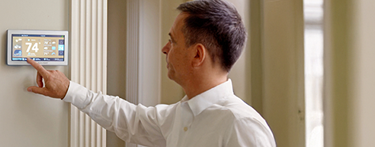
Heating services in Sugar Hill, GA include system inspections, preventive maintenance, furnace and heat-pump repairs, equipment replacement, thermostat service, and emergency support. The appropriate service depends on the equipment’s condition, performance, age, and current symptoms.
- ENERGY STAR recommends checking HVAC filters monthly and replacing them at least every three months when needed.
- Heat pumps provide both heating and cooling through one system.
- ENERGY STAR suggests considering replacement when a heat pump is more than 10 years old or a furnace is more than 15 years old.
- ACCA Manual J is the recognized residential method for calculating heating and cooling loads.
- Holtkamp HVAC & Plumbing has served Gwinnett County since 1996.
Sugar Hill’s winter conditions can shift between mild afternoons and colder nights, causing heating demand and system runtimes to change quickly. These fluctuations may expose restricted airflow, ignition trouble, weakened electrical components, or insufficient heating capacity that was less noticeable during moderate weather.
A system operating normally may only need seasonal maintenance. Weak airflow, unusual noises, frequent cycling, uneven temperatures, or a complete loss of heat indicates that professional diagnosis may be necessary.
What Do Heating Services in Sugar Hill Include?
Professional heating services include installation, replacement, inspection, maintenance, diagnosis, repair, thermostat service, airflow correction, and emergency support for furnaces and heat pumps.
A heating service should address the entire comfort system rather than a single visible component. The thermostat calls for heat, the equipment generates or transfers warmth, the blower and ductwork distribute conditioned air, and safety controls monitor operation.
Holtkamp HVAC & Plumbing’s heating services cover repair, installation, maintenance, heat pumps, furnaces, and emergency heating needs. We also provide comprehensive HVAC services in Sugar Hill, GA for local homeowners.
Common heating appointments include:
- Furnace or heat-pump troubleshooting
- Seasonal heating inspections
- Air-filter and airflow evaluations
- Ignition, burner, and flame-sensor service
- Blower motor and electrical testing
- Thermostat diagnosis or replacement
- Ductwork inspection
- Heating-system installation and replacement
- Same-day or emergency service
How Can You Tell Which Heating Service You Need?
Choose maintenance when the system is operating normally, repair when performance has changed, and replacement evaluation when age, condition, and repeated failures make continued repairs less practical.
Use the system’s present condition, rather than the calendar alone, to select the appropriate service.
| System Condition | Appropriate Service | Common Indicators |
|---|---|---|
| Operating normally | Preventive maintenance | No major symptoms, seasonal inspection due |
| Operating poorly | Diagnostic repair | Weak airflow, noises, odors, or cold rooms |
| Not operating | Urgent repair | No heat, system will not start, or breaker trips |
| Unreliable or aging | Replacement evaluation | Frequent repairs, declining performance, or advanced age |
| New construction or major renovation | Installation consultation | New system, altered floor plan, or changed heating load |
A sudden performance change should be investigated even if the heater still starts. The company’s guide to furnace repair warning signs explains symptoms such as frequent cycling, abnormal noises, weak airflow, unusual odors, and cold air from the vents.
When Does a Heating Problem Require Immediate Service?
A heating problem needs immediate professional attention when it involves a gas odor, suspected carbon monoxide, smoke, sparks, repeated electrical trips, overheating, or a complete loss of heat during dangerously cold conditions.
Leave the property and contact the gas utility or emergency services from a safe location if you suspect a gas leak. Do not operate switches, light flames, or attempt to locate the leak yourself.
Stop operating the heater and request urgent assistance when you notice:
- A strong gas or burning odor
- Smoke, sparks, or scorched wiring
- A carbon-monoxide alarm
- A loud boom during ignition
- Repeated breaker or fuse problems
- Excessive heat around the furnace cabinet
- Water near electrical heating equipment
- A system that repeatedly starts and shuts down
If the system fails outside regular hours, review Holtkamp’s guide on what to do when a heater stops working at night.
Need prompt heating repair in Sugar Hill?Contact us to request service. Our team will discuss the symptoms you are experiencing and help you schedule the appropriate heating repair. |
Call Holtkamp HVAC & Plumbing at (770) 271-7511 |
What Happens During a Professional Heating-Service Appointment?
A professional appointment should progress from symptom review and safety checks to system testing, diagnosis, repair options, and verification of completed work.
The exact tests depend on whether the home uses a gas furnace, electric furnace, or heat pump. A technician should not recommend a major repair based only on the homeowner’s description.
A typical appointment follows this process:
- Discuss the symptoms. The technician asks when the problem began, where it occurs, and whether any noises, odors, or warning codes appeared.
- Inspect the system. The technician checks the equipment, filter, thermostat, electrical connections, vents, and visible ductwork.
- Perform safety tests. Gas, combustion, venting, electrical, and system-safety controls are evaluated as applicable.
- Test operation. The system is operated through a heating cycle while temperature response, airflow, controls, and components are monitored.
- Identify the cause. Findings are separated from secondary symptoms so the recommendation addresses the actual malfunction.
- Explain available options. The homeowner receives a description of the issue, proposed work, and relevant repair or replacement considerations.
- Verify performance. After authorized work is completed, the technician tests operation and confirms that the system responds properly.
How Often Should a Sugar Hill Heating System Receive Maintenance?
Most residential heating systems should be professionally inspected once per year, while heat pumps may benefit from service twice yearly because they operate during both heating and cooling seasons.
Fall is a practical time for furnace maintenance because it allows developing problems to be identified before regular winter operation. A heat pump can be checked before cooling season and again before heating season.
ENERGY STAR advises homeowners to inspect filters monthly, particularly during heavy-use periods, and replace dirty filters according to the equipment and filter manufacturer’s instructions. Its general guidance says filters should be changed at least every three months when appropriate.
Between professional visits, homeowners should:
- Check the filter every month
- Keep supply and return vents unobstructed
- Keep stored items away from the furnace
- Watch for new sounds or odors
- Verify that the thermostat responds correctly
- Keep outdoor heat-pump equipment clear of leaves
- Test smoke and carbon-monoxide alarms
- Record changes in runtime or room temperatures
Maintenance reduces avoidable strain and helps identify developing problems, but it cannot guarantee that a mechanical or electrical component will never fail.
Should You Repair or Replace Your Heating System?
Repair is often reasonable when the problem is isolated and the equipment remains safe and reliable, while replacement deserves consideration when the system is aging, repeatedly failing, incorrectly sized, or unable to maintain comfort.
Equipment age is one factor, not an automatic replacement rule. ENERGY STAR suggests discussing replacement when a heat pump is more than 10 years old or a furnace or boiler is more than 15 years old. Actual service life depends on installation, maintenance, operating conditions, equipment design, and repair history.
Consider these decision factors:
| Repair Considerations | Replacement Considerations |
|---|---|
| One identifiable failure | Multiple recurring failures |
| System otherwise performs reliably | Persistent uneven temperatures |
| Parts are readily available | Important parts are obsolete |
| Equipment is appropriately sized | Equipment is oversized or undersized |
| No major safety concern | Heat exchanger or serious safety issue |
| Normal energy use for the home | Unexplained and continuing energy increase |
Do not base the decision only on the price of the current repair. Ask how the system’s condition, age, previous repairs, efficiency, sizing, and expected reliability affect the recommendation.
For a dignosis and Clear repair Recommendation, Call Holtkamp HVAC & Plumbing at (770) 271-7511. |
Request Heating Repair Service in Suwanee |
For a repair-versus-replacement assessment, call Holtkamp HVAC & Plumbing at (770) 271-7511 and request an evaluation of your current heating system.
Which Heating System Works Well in a Sugar Hill Home?
Furnaces and heat pumps can both work effectively in Sugar Hill when they are correctly sized, properly installed, and matched to the home’s energy source and duct system.
A gas furnace creates heat through combustion and distributes it through the ductwork. A heat pump transfers heat rather than producing it through combustion and can provide both heating and cooling.
| Consideration | Furnace | Heat Pump |
|---|---|---|
| Primary function | Heating | Heating and cooling |
| Common energy source | Natural gas or electricity | Electricity |
| Heat delivery | Often warmer supply air | Usually steadier, moderate-temperature air |
| Outdoor equipment | Not always required for heating | Required |
| Important rating | AFUE | HSPF2 and SEER2 |
| Best choice depends on | Fuel, ductwork, load, and venting | Load, controls, ductwork, and application |
The U.S. Department of Energy describes heat pumps as an energy-efficient alternative to furnaces and air conditioners because they transfer heat between indoor and outdoor spaces. Holtkamp’s article on heat-pump benefits provides additional information for homeowners comparing systems.
Equipment should not be selected only by matching the capacity of the old unit. ACCA identifies Manual J as the recognized method for calculating residential heating and cooling loads based on the home’s construction and operating conditions.
What Heating-Service Myths Can Lead to Poor Decisions?
Common heating myths can delay necessary repairs, encourage unnecessary replacement, and cause homeowners to overlook airflow or safety problems.
| Myth | Fact |
|---|---|
| If the heater turns on, it is working correctly. | A system can run while experiencing restricted airflow, control problems, inefficient operation, or an unsafe condition. |
| A larger furnace will heat the home better. | Oversized equipment may short-cycle and create inconsistent temperatures. Capacity should be based on a heating-load calculation. |
| Heat pumps do not work in winter. | Modern heat pumps are designed to provide heating, although performance and supplemental-heat needs vary by model and conditions. |
| Closing vents saves energy. | Closing multiple vents can disrupt system airflow and increase pressure in the ductwork. |
| Maintenance prevents every breakdown. | Maintenance can identify developing problems and reduce avoidable wear, but it cannot eliminate every component failure. |
| Every unusual smell is normal at startup. | Brief dust odors may occur, but gas, electrical, smoke, or persistent burning odors require immediate attention. |
How Should You Choose a Heating Contractor in Sugar Hill?
Choose a heating contractor that can verify its licensing, technician qualifications, diagnostic process, written recommendations, installation standards, and support after the work is completed.
A low initial estimate does not establish whether the contractor has identified the underlying problem or included every necessary part of the work.
Ask the contractor:
- Are your technicians trained to service my system type?
- Will you provide the diagnosis and proposed work in writing?
- Does the recommendation include system and airflow testing?
- How do you determine replacement-system capacity?
- What warranties apply to parts and workmanship?
- Will permits be obtained when the project requires them?
- Is emergency service available?
- Will the completed system be tested and documented?
Holtkamp HVAC & Plumbing is family-owned and has served Gwinnett County since 1996. Its “Holtkamp Way” emphasizes trained technicians, proper system sizing, clean work areas, and continuing comfort support.
How Can You Prepare Your Heater for Colder Weather?
Prepare your heater by checking the filter and thermostat, clearing airflow obstructions, testing safety alarms, and scheduling service before sustained cold weather begins.
A short homeowner inspection can identify obvious conditions, but combustion, refrigerant, electrical, and internal mechanical work should be handled by qualified professionals.
Use this pre-winter checklist:
- Install a clean filter of the correct size and type
- Set the thermostat to heating mode and test one full cycle
- Open and uncover supply and return vents
- Remove stored materials from around the furnace
- Check outdoor heat-pump equipment for vegetation and debris
- Listen for grinding, booming, rattling, or repeated clicking
- Check for persistent burning, electrical, or gas odors
- Test smoke and carbon-monoxide alarms
- Review the system’s recent repair history
- Schedule professional maintenance if it is due
Where Can You Schedule Heating Service in Sugar Hill?
Sugar Hill homeowners can contact Holtkamp HVAC & Plumbing for heating repair, maintenance, installation, replacement evaluation, and emergency assistance.
A professional evaluation is appropriate when the system cannot maintain the thermostat setting, produces weak airflow, makes unfamiliar noises, cycles abnormally, or stops operating. Our technicians can inspect the system, identify the cause, and recommend the appropriate service.
Need Heating Service in Sugar Hill, GA?
|
Request an Evaluation |
Frequently Asked Questions
Can a Dirty Filter Stop a Heater From Working?
A severely restricted filter can reduce airflow, cause overheating, trigger a safety limit, and make a furnace shut down before completing a cycle. Replace the filter with the correct type, but request service if the problem continues.
Why Is My Heater Running but Not Warming the House?
The cause may involve incorrect thermostat settings, restricted airflow, duct leakage, a heat-pump defrost issue, failed auxiliary heat, ignition trouble, or inadequate system capacity. A technician must test the system to identify the specific cause.
Is a Heat Pump Supposed to Run for Long Periods?
A heat pump may operate for longer cycles than a furnace because it usually supplies heat at a more moderate temperature. Continuous operation accompanied by falling indoor temperatures, ice accumulation, or unusually high energy use should be evaluated.
Should I Turn Off My Heater if I Smell Gas?
Yes, do not attempt to operate the heater or use electrical switches if you suspect a gas leak. Leave the property, contact the gas utility or emergency services from a safe location, and arrange for professional inspection.
Can Heating Maintenance Prevent Every Repair?
No, maintenance can identify wear, airflow problems, loose connections, combustion concerns, and declining components, but it cannot guarantee that every future malfunction will be prevented.
How Long Does a Heating-Service Appointment Take?
Many routine maintenance or diagnostic appointments take approximately one to two hours. Equipment accessibility, system type, number of units, testing requirements, and discovered problems can change the duration.
Can an Oversized Heating System Cause Problems?
Yes, oversized equipment may satisfy the thermostat too quickly, causing short cycles, uneven temperatures, added component wear, and reduced comfort. Replacement capacity should be supported by an appropriate load calculation.