



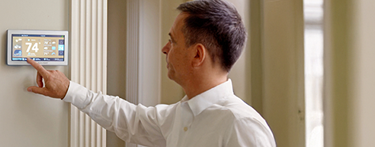
A heat pump that isn’t heating or cooling properly is usually signaling one of a handful of common issues from something as simple as a thermostat setting to something that requires a licensed technician, like a refrigerant leak or a failed component. Understanding the possible causes can help you figure out what’s safe to check yourself and when it’s time to call for professional service.
Because a heat pump handles both heating and cooling through the same system, a malfunction can affect one function, both, or cause the system to underperform in ways that aren’t always obvious right away.
Table of Contents
- What Are the Most Common Reasons a Heat Pump Stops Working?
- Why Is My Heat Pump Running But Not Heating?
- Why Is My Heat Pump Running But Not Cooling?
- Why Is Ice Forming on My Heat Pump?
- What Should I Check Before Calling for Service?
- What Happens During a Heat Pump Diagnostic Visit?
- Is It Ever an Emergency If a Heat Pump Stops Working?
- Which Heat Pump Myths Should Homeowners Avoid?
- What Should Homeowners Do Next?
- Frequently Asked Questions
Heat Pump Not Working Properly? |
Schedule an Assessment |
What Are the Most Common Reasons a Heat Pump Stops Working?
A heat pump can stop heating or cooling for many reasons, ranging from simple and easily fixed to more complex mechanical or electrical failures. Identifying the pattern of symptoms often points toward the likely cause.
Common causes include:
- Incorrect thermostat settings or mode
- A dirty or clogged air filter restricting airflow
- Low refrigerant levels due to a leak
- A faulty reversing valve, which controls the switch between heating and cooling
- Frozen or iced-over outdoor coil
- A failing compressor
- Electrical issues, such as a tripped breaker or faulty capacitor
- Blocked or obstructed outdoor unit
- A malfunctioning defrost control
- Leaking or blocked ductwork
- Sensor or control board failure
Why Is My Heat Pump Running But Not Heating?
A heat pump that runs continuously but doesn’t produce warm air is often struggling with airflow, refrigerant, or a mechanical component rather than a simple settings issue. This is one of the more common heat pump complaints, especially during colder weather.
Possible causes include:
| Symptom | Possible Cause | What It Means |
|---|---|---|
| Air blows but feels cool, not warm | Low refrigerant or reversing valve issue | System may not be transferring heat properly |
| System runs constantly without reaching temperature | Undersized system, poor airflow, or mechanical failure | System is working harder than it should |
| Heavy ice buildup outdoors | Defrost control malfunction | Normal light frost is expected, but heavy ice is not |
| Frequent cycling on and off | Electrical or control issue | Can indicate a failing component |
| Outdoor unit not running at all | Electrical failure or tripped breaker | Compressor or fan may not be receiving power |
It’s worth noting that heat pumps naturally produce air that feels cooler than a furnace’s air, even when working correctly, since heat pump air typically comes out around 95–105°F rather than the hotter air from a gas furnace. If the air feels only slightly warm rather than truly cold, the system may actually be working as intended.
Why Is My Heat Pump Running But Not Cooling?
A heat pump that runs but doesn’t cool effectively often points to airflow restrictions, low refrigerant, or an outdoor unit issue, similar to a central air conditioning problem.
Common causes include:
- A dirty air filter restricting airflow through the system
- Low refrigerant levels from a leak
- A dirty or blocked outdoor coil preventing proper heat exchange
- A failing compressor or fan motor
- Blocked vents restricting airflow inside the home
- Leaky or poorly insulated ductwork losing cooled air before it reaches rooms
- Thermostat set incorrectly or malfunctioning
If the system blows air but it doesn’t feel cool, checking the filter and clearing debris from the outdoor unit are reasonable first steps before assuming a more serious issue.
Why Is Ice Forming on My Heat Pump?
Some frost on a heat pump’s outdoor coil during cold weather is normal, since heat pumps periodically enter a defrost cycle to clear it. Heavy or persistent ice buildup, however, usually signals a problem that needs attention.
Normal vs. concerning ice buildup:
| Normal | Cause for Concern |
|---|---|
| Light frost that clears during a defrost cycle | Thick ice that doesn’t melt or continues to build |
| Occurs during cold, humid weather | Occurs even in mild weather |
| Coil looks clear again within a short time | Ice remains for hours or covers the entire unit |
| System continues heating normally | System struggles to heat or shuts down |
Persistent ice is often linked to a malfunctioning defrost control, low refrigerant, restricted airflow, or a failing fan motor. Running the system with heavy ice buildup can cause further damage, so it’s best to turn the unit off and call for service rather than waiting for it to resolve on its own.
Noticing Ice Buildup or Weak Airflow? |
Schedule an Assessment |
What Should I Check Before Calling for Service?
A few simple checks can sometimes resolve the issue or help a technician diagnose it faster, without requiring any electrical or refrigerant work.
Before calling, check:
- The thermostat is set to the correct mode (heat, cool, auto) and temperature
- The air filter isn’t dirty or clogged
- All supply and return vents are open and unobstructed
- The breaker hasn’t tripped
- The outdoor unit is clear of leaves, debris, snow, or overgrown vegetation
- There’s adequate clearance around the outdoor unit for airflow
- Any error codes displayed on the thermostat
If these checks don’t resolve the issue, avoid opening electrical panels or handling refrigerant lines yourself — these require a licensed technician.
What Happens During a Heat Pump Diagnostic Visit?
A technician follows a structured process to identify why the system isn’t heating or cooling properly and to determine the appropriate repair.
A typical diagnostic visit may include:
- Review symptoms — the technician asks about when the issue started, what’s been noticed, and any recent changes.
- Inspect the system — filters, airflow, wiring, and accessible components are checked.
- Test electrical components — capacitors, contactors, and control boards may be tested.
- Check refrigerant charge — pressure and refrigerant levels are measured for signs of a leak.
- Evaluate the reversing valve — this component is tested since it’s a common cause of heating-only or cooling-only failures.
- Inspect the defrost cycle — for heating issues, the defrost control and sensors are checked.
- Identify the root cause — findings are used to pinpoint the actual failure, not just the symptom.
- Explain repair options — costs and options are discussed before work begins.
- Complete repairs and test — the system is run through a full cycle to confirm normal operation.
Is It Ever an Emergency If a Heat Pump Stops Working?
A heat pump failure can become urgent depending on the weather and the household’s situation, even though it’s not usually a safety emergency in the way a gas leak would be.
Treat it as urgent if:
- Outdoor temperatures are extreme (very hot or very cold)
- The household includes elderly residents, young children, or anyone with health conditions sensitive to temperature
- The system has completely stopped running rather than just underperforming
- There are signs of electrical issues, like burning smells or repeated breaker trips
- Ice has built up heavily and isn’t clearing
If none of these apply, the issue can often be scheduled for a standard appointment rather than requiring an emergency visit.
Which Heat Pump Myths Should Homeowners Avoid?
| Myth | Fact |
|---|---|
| Heat pumps don’t work well in cold weather. | Modern heat pumps handle moderate cold reasonably well, often with backup heat for the coldest days. |
| Ice on the unit always means something is broken. | Light, temporary frost during defrost cycles is normal; only heavy or persistent ice signals a problem. |
| If the system runs, it’s working fine. | A system can run continuously while failing to heat or cool effectively. |
| Low refrigerant just needs a top-off. | Refrigerant doesn’t get “used up” — low levels almost always indicate a leak that needs to be found and repaired. |
| Any HVAC technician can service a heat pump the same as a furnace. | Heat pumps have unique components, like reversing valves and defrost controls, that require specific expertise. |
| A heat pump problem will resolve itself. | Most heat pump issues get worse over time rather than resolving without repair. |
What Should Homeowners Do Next?
Homeowners noticing reduced heating or cooling performance should do a quick check of the thermostat, filter, and outdoor unit, then contact a licensed HVAC company if the issue continues. Having some basic details ready helps the technician diagnose the problem more efficiently.
Before calling, gather:
- Whether the issue affects heating, cooling, or both
- The approximate age of the heat pump
- When the problem started
- Any unusual sounds, smells, or ice buildup noticed
- Recent maintenance or repair history
- Any error codes shown on the thermostat
|
Heat Pump Repair Heat Pump Not Heating or Cooling Properly? |
Schedule an Assessment |
Frequently Asked Questions
Why Does My Heat Pump Blow Cold Air Even in Heat Mode?
Heat pump air naturally feels cooler than furnace air, even when working correctly, since it’s typically delivered around 95–105°F. If the air feels genuinely cold rather than mildly warm, or the home isn’t reaching the set temperature, it may indicate a real issue like low refrigerant or a reversing valve problem.
How Often Should a Heat Pump Defrost Itself?
Defrost cycles typically occur periodically during cold, humid weather and last a short time. If the outdoor unit stays iced over for extended periods, the defrost control may not be functioning correctly.
Can I Run My Heat Pump If It’s Making Strange Noises?
It’s generally safer to turn the system off and call for service. Continuing to run a heat pump with unusual noises can sometimes turn a minor repair into a more significant one.
Why Is My Heat Pump Short-Cycling?
Short-cycling — turning on and off frequently — can be caused by an oversized system, a dirty filter, thermostat issues, or an electrical component problem. A technician can pinpoint the specific cause.
Does a Heat Pump Need Backup Heat?
Many heat pumps use backup (auxiliary) heat during very cold temperatures when the heat pump alone can’t keep up with demand. If backup heat is running unusually often, it may signal that the heat pump itself isn’t performing efficiently.
How Long Does a Heat Pump Usually Last?
Heat pumps generally have a somewhat shorter lifespan than gas furnaces, since they operate year-round for both heating and cooling. Regular maintenance can help a system reach the higher end of its expected lifespan.
Is It Normal for a Heat Pump to Run Longer Than a Furnace?
Yes, heat pumps often run in longer, steadier cycles rather than short bursts, which is part of how they operate efficiently. This is different from a system that runs constantly without ever reaching the set temperature, which does indicate a problem.